GreenCampGear
Park Seed Katarina Hybrid Cabbage Seeds Quick Growth Pack of 50
Park Seed Katarina Hybrid Cabbage Seeds Quick Growth Pack of 50
Couldn't load pickup availability
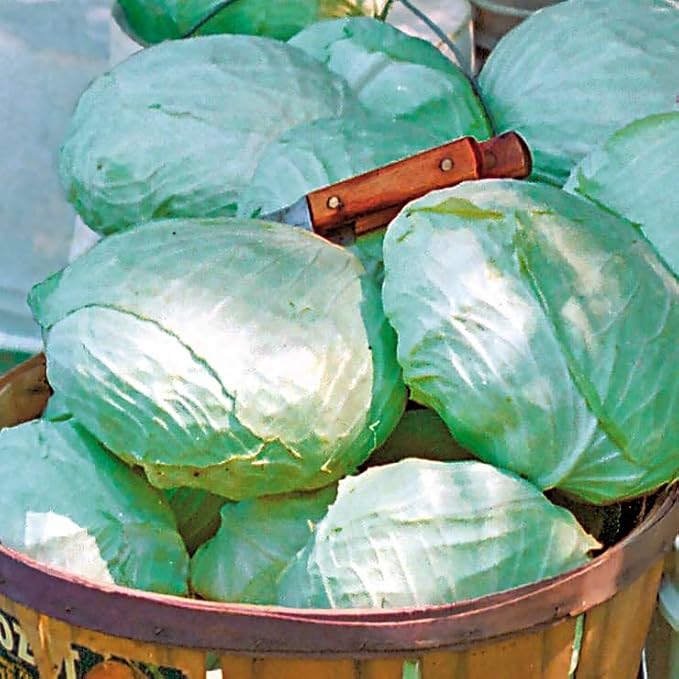
- This white cabbage is reminiscent of the heirloom favorite Golden Acre, with its smaller heads and uniform growth. It holds well in the field at harvest, and will set smaller side heads after the main head is picked. - Katarina reaches about 4 inches in diameter, round and smooth, with tightly packed leaves. Try growing it in large containers as well as the garden. - It earned its national All-America Selection award with quick growth, delicious flavor, and smooth texture. - Children tend to prefer Katarina to other varieties because it is much milder, even sweeter, than most others, without a trace of bitterness. Great for slaw and salads, it also holds up well in stir fries. - Days to Maturity: 45 from transplant
Product description
Know Before You Grow: Cabbage and Kale
Choosing a Variety
When to Start Cabbage & Kale Seeds
How to Start Cabbage & Kale Seeds
Planting Out
Growing Tips for Cabbage & Kale
Cabbage and Kale are cool-season vegetables high in nutrients, low in calories, and very tolerant of frost. They are used in many of the world's cuisines -- think egg rolls, sauerkraut, and stuffed cabbage, to name just a few! -- and some varieties are ideal as ornamental annual plants. They come in a wide range of colors, head shapes, and flavors, so you are certain to find a favorite among the many delicious (and beautiful) varieties!
When you're deciding what variety of Cabbage or Kale to plant in your garden, your decision will be mainly based on your taste and storage needs. Large-headed late Cabbages usually store well and are good for cooking, proving especially appropriate for turning into sauerkraut. Savoy and conical types are more tender and therefore good for slaws and salads, while Chinese cabbage is heat tolerant and quite versatile -- it's delicious cooked or raw! As far as choosing a Kale, green ones tend to be sweeter while red varieties are somewhat more appealing to the eye. Red Kale also contains anthocyanins, an antioxidant!
Cabbage seeds are best started indoors eight to ten weeks before the last frost, at a temperature of 70 to 75 degrees F. If you want a fall crop, sow outdoors in midsummer. In zone 8 and warmer, if you want a winter crop of Cabbage, sow outside in early fall.
Expect germination in 10 to 14 days.
Sow your Cabbage seeds at a depth of 4 times the size of the seed, or ½ inch deep, in a sterile starting mix and water thoroughly. Once the seeds have sprouted, be sure to keep the soil lightly moist, and feed them with a liquid fertilizer at half strength every two weeks.
Fluorescent light for around 14 to 16 hours a day is also ideal for the fastest growth. Keep the seedlings just a few inches below the light so they don't“stretch”and get“leggy". If you don't have fluorescent lighting, a south-facing window will do just fine.
To conserve seeds, group 3 or 4 together at the desired plant spacing instead of the traditional method of sowing in continuous rows. Water well and make sure the topsoil stays moist, especially if planting during the drier midsummer. Once your seedlings have reached several inches and have at least two sets of true leaves, pull up all but the strongest one in each group.
Harvest is usually within 50 to 90 days from sowing, depending on the variety.
Once the seedlings have two sets of true leaves, you'll need to start the“hardening off”process. Do this by setting them outdoors in a lightly shaded area for an hour or two. The next day, give them a longer visit outside until they remain outdoors overnight, still in their pots. Naturally, if a cold spell hits, bring them indoors again to wait for the temperature to rise.
Plant out as soon as the soil can be worked in spring, setting the plants at least 8 inches apart, in rows spaced 24 to 36 inches apart. (Exact spacing depends on the mature size of the plant.) Site your Cabbages in full sun in a rich, fertile, moist, well-drained soil, and feed them with 5-10-5 (or higher) fertilizer or nitrate of soda. Fertilize when first planting out and then every 4 weeks.
Shipping & delivery
Shipping & delivery
Shipping rates are calculated and displayed at checkout. Processing times and delivery estimates are available in our Shipping Policy.
Returns & support
Returns & support
Questions about an item or order? Our support team is here to help. Please review our Return Policy for complete eligibility and timing details.
Why GreenCampGear
Why GreenCampGear
We bring together practical outdoor finds for campsites, gardens, patios and everyday life outside.
Share